Archives
- 2026-10
- 2026-09
- 2026-08
- 2026-07
- 2026-06
- 2026-05
- 2026-04
- 2026-03
- 2026-02
- 2026-01
- 2025-12
- 2025-11
- 2025-10
- 2025-09
- 2025-03
- 2025-02
- 2025-01
- 2024-12
- 2024-11
- 2024-10
- 2024-09
- 2024-08
- 2024-07
- 2024-06
- 2024-05
- 2024-04
- 2024-03
- 2024-02
- 2024-01
- 2023-12
- 2023-11
- 2023-10
- 2023-09
- 2023-08
- 2023-07
- 2023-06
- 2023-05
- 2023-04
- 2023-03
- 2023-02
- 2023-01
- 2022-12
- 2022-11
- 2022-10
- 2022-09
- 2022-08
- 2022-07
- 2022-06
- 2022-05
- 2022-04
- 2022-03
- 2022-02
- 2022-01
-
The PAS domains of AHR consist
2024-02-20
The PAS domains of AHR consist of two regions, PAS-A and PAS-B, which function as interfaces for dimerization with ARNT and for ligand binding, respectively [14]. Although both the bHLH and the PAS-A domains have been shown to be involved in dimerization with ARNT, a recent report suggests that only
-
B lymphocytes are found in
2024-02-20

B lymphocytes are found in blood, lymph nodes, spleen and tonsil and other mucosal tissues [110]. These cells originate in the bone marrow from a common progenitor shared with T, NK, and some DC subsets [111]. Progenitor selective serotonin reuptake inhibitors progress through the early stages of m
-
Brain damage diseases such as cerebral ischemia brain trauma
2024-02-20
Brain damage diseases, such as cerebral ischemia, brain trauma and infection are characterized by the increase in oxygen free radicals. Therefore, deeper understanding of the character and mechanism of free radical damage in the brain is important to ultimately relieve diseases and promote recovery
-
Introduction hydroxytryptamine HT is found throughout the bo
2024-02-20
Introduction 5-hydroxytryptamine (5-HT) is found throughout the body and influences smooth muscle activity in various tissues including the intestine, vasculature and urinary n-acetyl-l-cysteine (Kim and Camilleri, 2000, Klarskov and Horby-Petersen, 1986, Mohammad-Zadeh et al., 2008). The current c
-
Zhang et al screened three
2024-02-20
Zhang et al. screened three thousand compounds library and found two active 3,5,6-substituted indolin-2-one molecules. Further, they designed various derivatives of this scaffold and among them compound 23 from the series was found active with 1.8 μM on Aurora-B kinase luminescent assay [53]. Jeffe
-
In our study S aureus activated the TLR signaling
2024-02-20
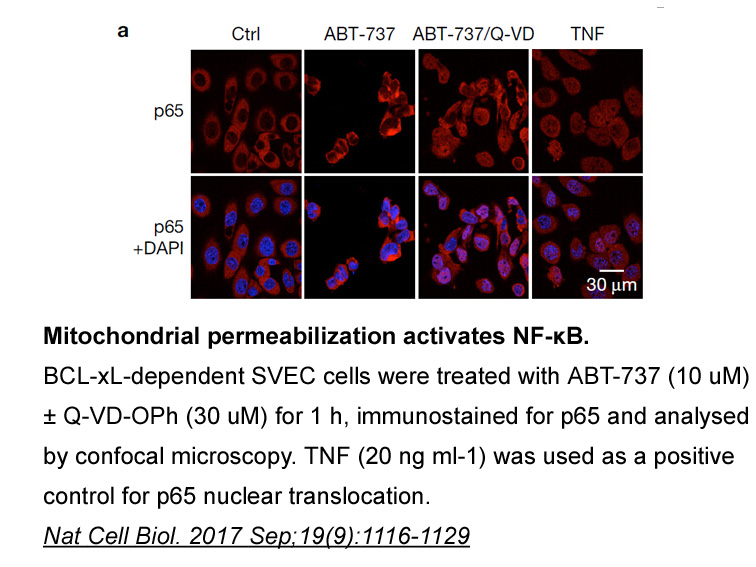
In our study, S. aureus activated the TLR signaling pathways of BMECs, thus inducing profibrogenic growth factor expression via NF-κB and AP-1. Since fibrosis is an important pathogenic process in both bovine and human mastitis, further studies on the molecular mechanisms of S. aureus infection are
-
br Results and discussion The soil fungus
2024-02-20
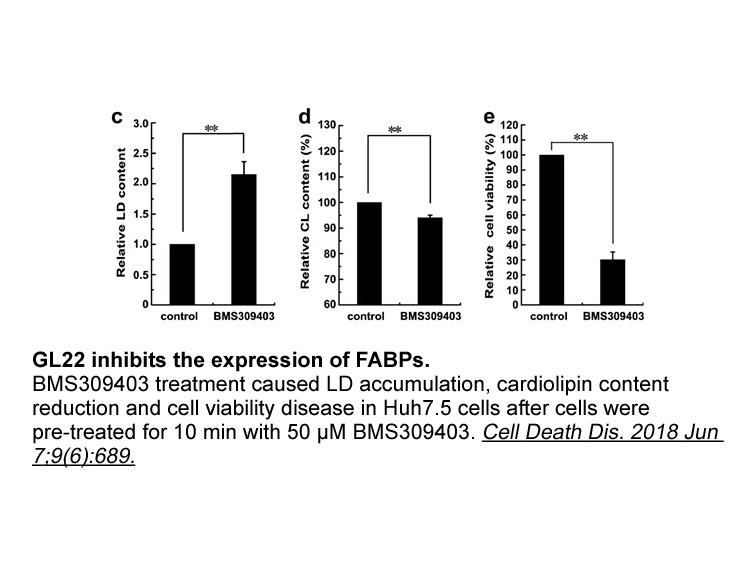
Results and discussion The soil fungus PSU-RSPG37 (BCC56870) was isolated from soil samples collected from Rajjaprabha Dam, Suratthani Province, Thailand. The fungus was deposited at BIOTEC Culture Collection, National Center for Genetic Engineering and Biotechnology (BIOTEC), Thailand Science Pa
-
Clindamycin Phosphate br Telmisartan Telmisartan is one of t
2024-02-19
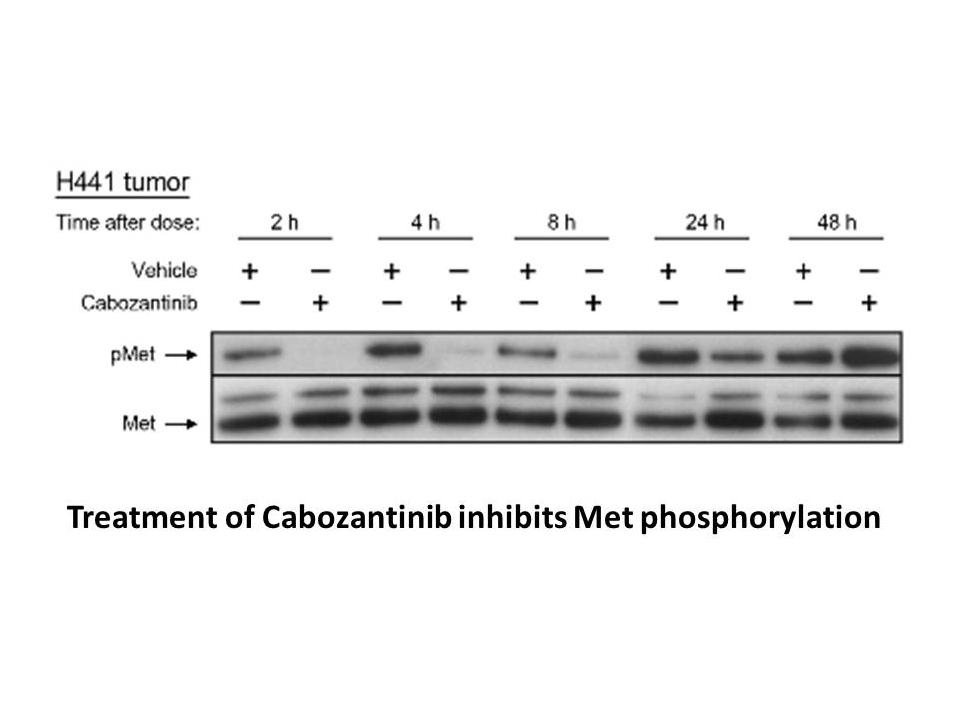
Telmisartan Telmisartan is one of the widely used antihypertensive agents, which has demonstrated favorable safety and tolerability profiles, both alone and in combination therapies. It has a number of pharmacological properties that distinguish it from other ARBs—the longest plasma half-life, hi
-
br Material and methods br Results br Discussion Aminopeptid
2024-02-19
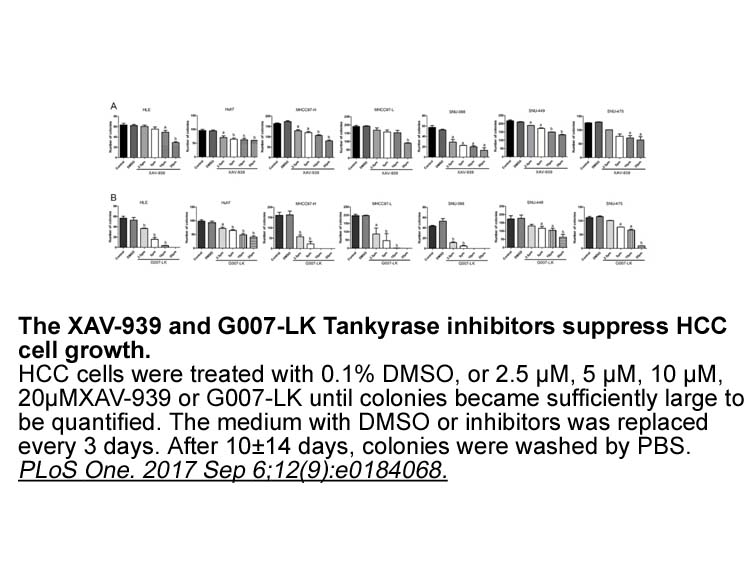
Material and methods Results Discussion Aminopeptidase N is a transmembrane protease present in a wide variety of human tissues and cell types (endothelial, epithelial, fibroblast, leukocyte). APN expression is dysregulated in inflammatory diseases as well as in solid and hematologic tumors
-
While the mechanisms by which
2024-02-19
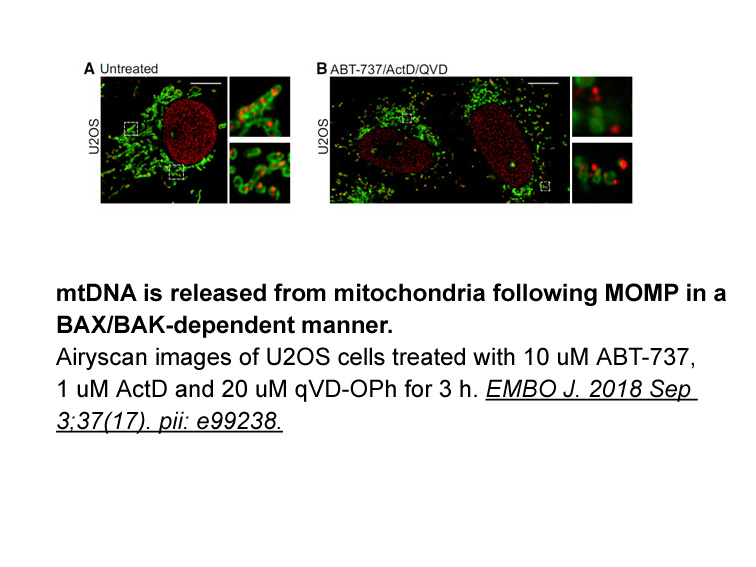
While the mechanisms by which ALDH2 regulates cardiac responses to pathological stress remain unclear, the capillary rarefaction found in pressure-overloaded ALDH2 Tg hearts provides potential clues. Loss of capillary density and diminished endothelial function occur in pathological hypertrophy [46]
-
PRX-08066 br Author contributions br Funding This work
2024-02-19
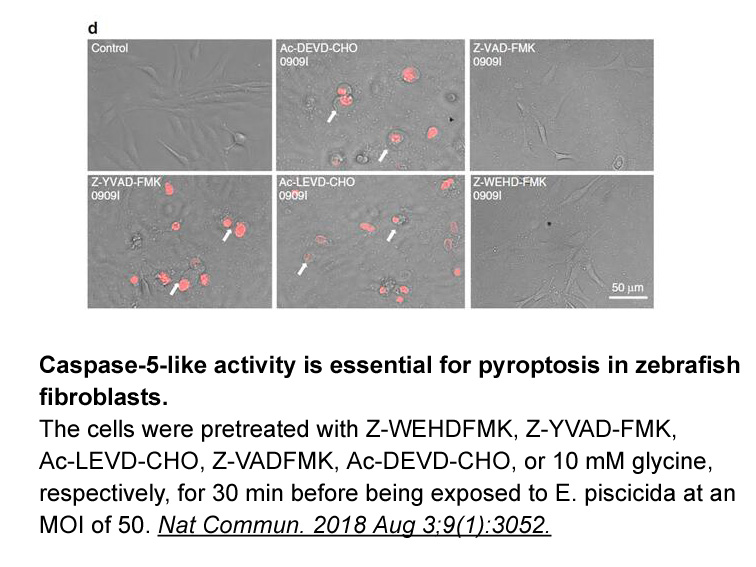
Author contributions Funding This work was supported by the Czech Science Foundation, project no. 14-16220S. Additional support was provided by NIH R01CA117907 grant awarded to J.M.E. Conflict of interest Introduction The dioxin-like family includes polyhalogenated aromatic hydrocarbons
-
The decreased AR mediated response has
2024-02-19

The decreased βAR-mediated response has been attributed to different mechanisms, including an attenuation of PKA activation, an impaired generation of cyclic AMP, a reduced receptor density, and a less efficient coupling to adenylyl-cyclase [10]. However, currently there is no single molecular or ce
-
br Materials and methods br Discussion Few studies have exam
2024-02-19
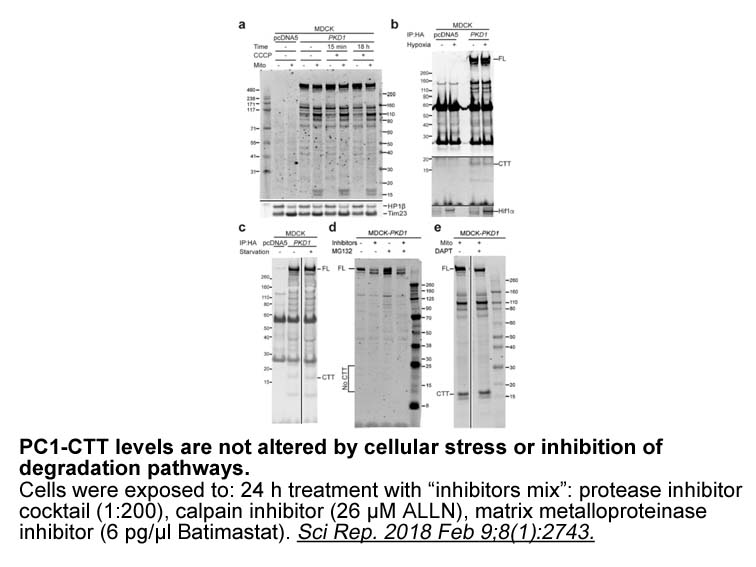
Materials and methods Discussion Few studies have examined peripheral PACAP levels in migraineurs, and no reports have described PACAP levels in blood samples from patients with CM. Here, we demonstrated that plasma PACAP concentrations were lower in patients with interictal migraine (in both
-
hematopoietic stem cells It is worth mentioning that
2024-02-19
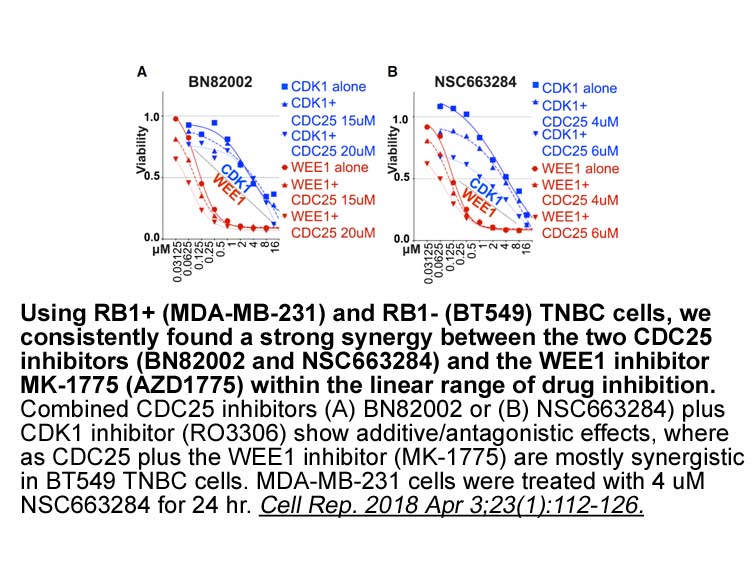
It is worth mentioning that cordycepin, as an adenosine analogue, is structurally similar to adenosine. A previous study has shown that the anti-apoptotic effects of cordycepin are partially dependent on the activation of A1R [16], and cordycepin increases theta waves power density via nonspecific a
-
Metformin s pluripotent roles are
2024-02-19
Metformin's pluripotent roles are alluded to in terms of its antitumorigenic, glucose-lowering, and cardioprotective effects, which are due in part to its upregulation of AMPK activity [39,40]. Metformin's glucose-lowering effect is a result of reduced hepatic gluconeogenesis, whereas improved insul
8674 records 228/579 page Previous Next First page 上5页 226227228229230 下5页 Last page